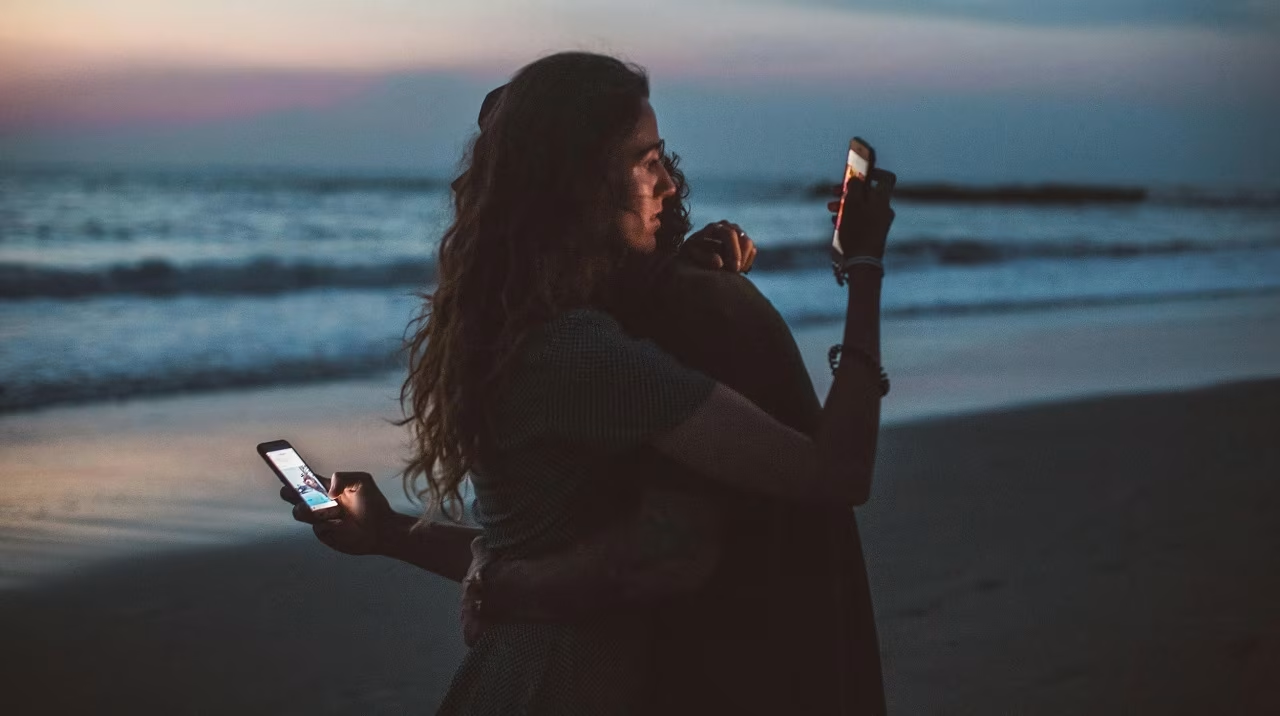
Social media promised to bring us closer. Instead, for many couples, it has become a silent saboteur — quietly eroding trust, intimacy, and satisfaction while we scroll through perfectly curated highlight reels.
In 2025-2026, the data is clear: while social media can offer some connection benefits, excessive or mindless use correlates strongly with higher conflict, jealousy, lower relationship satisfaction, and even breakups.
The Hidden Damage: How Social Media Undermines Relationships
Here are the most common (and insidious) ways it happens:
1. The Comparison Trap
We see friends posting romantic getaways, surprise flowers, and passionate declarations while our own relationship includes laundry, bills, and occasional arguments. This constant exposure to idealized versions of love creates unrealistic expectations and dissatisfaction.
Studies show that passive scrolling (just consuming content) increases feelings of loneliness and distorts our view of our own relationships.
2. Jealousy and Electronic Surveillance
A like on an ex’s photo. A flirty comment. A tagged story at a party. These small things trigger big emotions. Pew Research found that 34% of 18–29-year-olds in relationships have felt jealous or uncertain because of how their partner interacts with others online. This often leads to “partner surveillance” — secretly checking profiles, messages, or activity — which further damages trust.
3. Phubbing and Reduced Quality Time
“Phubbing” (phone snubbing) — ignoring your partner to check your phone — has become normalized. Research links higher social media use with decreased quality time, increased irritation, and lower emotional connection. One study found that more Instagram time directly predicted lower relationship satisfaction and higher conflict.
4. Micro-Cheating and Infidelity Risks
Social media makes emotional affairs easier than ever. Sliding into DMs, private chats with exes, or secretive interactions blur boundaries. Multiple studies link higher social media addiction with increased infidelity-related behaviors.
5. Miscommunication and Misinterpretation
Without tone or context, a simple emoji or post can spark arguments. Algorithms also feed us relationship drama and breakup content once we engage with one video, creating a negative feedback loop that makes us question our own partnership.
6. Erosion of Privacy and Trust
Oversharing couple moments or keeping secrets online creates tension. Some partners feel pressured to perform happiness for social media, while others feel their private life is no longer private.
The Numbers Don’t Lie
- Significant percentages of couples report arguments over social media use.
- Excessive use correlates with lower relationship satisfaction and emotional detachment.
- Younger adults (18-29) are especially vulnerable due to higher platform engagement.
The problem isn’t social media itself — it’s how we use it without intention.
How to Protect Your Relationship from Social Media
The good news? You can reclaim your relationship. Here are practical, evidence-based strategies:
1. Have an Honest Conversation About Boundaries
Sit down together (phones away) and discuss:
- What’s acceptable regarding exes, opposite-sex friends, or private messaging?
- How much time is too much?
- Are you comfortable posting about the relationship?
- Will you share passwords or practice transparency?
Couples who set clear, mutual rules report fewer conflicts.
2. Practice Mindful Usage
- Set daily limits (many phones have built-in screen time tools).
- Create “no-phone zones” — like dinner table or bedroom.
- Designate phone-free dates or evenings.
- Switch to active use (messaging each other or shared interests) rather than passive scrolling.
Reducing usage to even 30 minutes less per day has shown mental health and relational benefits in studies.
3. Curate Your Feed Intentionally
- Mute or unfollow accounts that trigger comparison or jealousy.
- Follow couples or creators who share realistic relationship content.
- Take regular social media detoxes (a weekend off can reset your perspective).
4. Prioritize Real Connection Over Digital
- Make a habit of daily check-ins without distractions.
- Plan offline activities and adventures together.
- Express affection in person or through private messages rather than public posts.
5. Build Security from Within
Work on your own attachment style and self-esteem. Insecure individuals are more prone to social media jealousy. Individual therapy or couples counseling can help break destructive cycles.
6. Agree on Transparency Without Snooping
Healthy transparency means openness, not constant monitoring. Snooping usually backfires and damages trust further. If trust is already broken, address the root issue directly rather than through digital spying.
7. Use Social Media as a Tool, Not a Crutch
Share positive moments together. Use it to stay connected during separation (e.g., long-distance). Celebrate each other publicly in moderation — but don’t let validation from likes replace real validation from your partner.
Final Thoughts: Choose Presence Over Performance
Social media isn’t going away. But your relationship doesn’t have to suffer because of it.
The couples who thrive in the digital age are the ones who treat social media as a supplement to their relationship — not the center of it. They protect their private world fiercely, communicate openly about digital habits, and consistently choose each other over the endless scroll.
Your relationship deserves your full attention. Put the phone down, look at your partner, and start protecting what matters most — not with rules alone, but with intentional love and presence.
Action Step for Today:
Have that boundary conversation with your partner this week. Even if it feels awkward, it could be one of the most important discussions you have for your relationship’s future.

Rashid Nawaz is a professional blogger and a News report. He works for SMH News Agency in Jhang and he is a news reporter on Dunya Urdu as well.


Be First to Comment